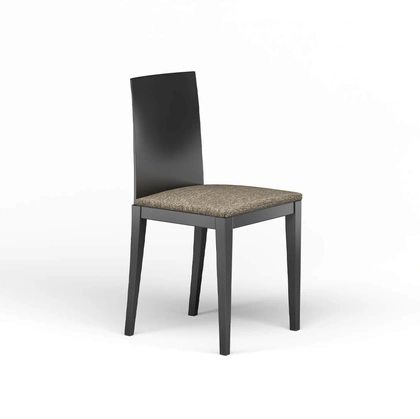
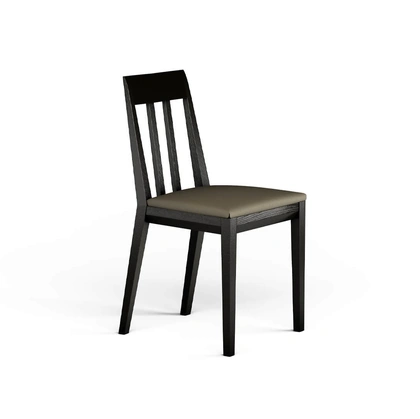
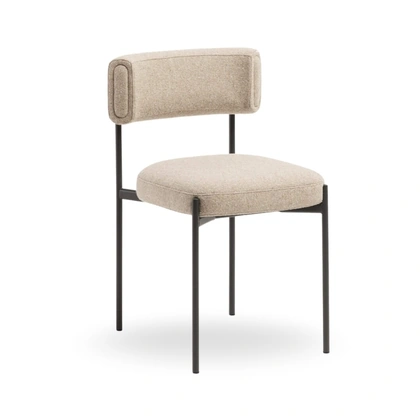
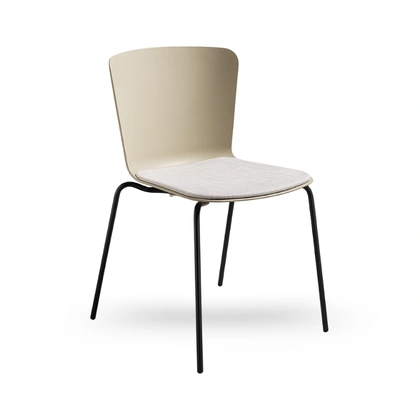
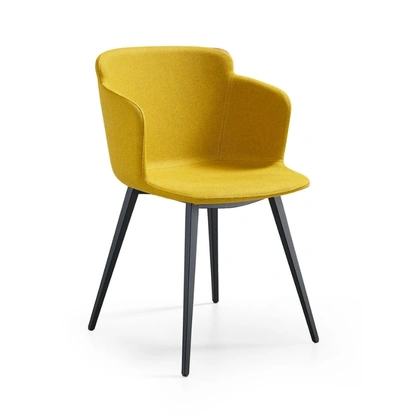
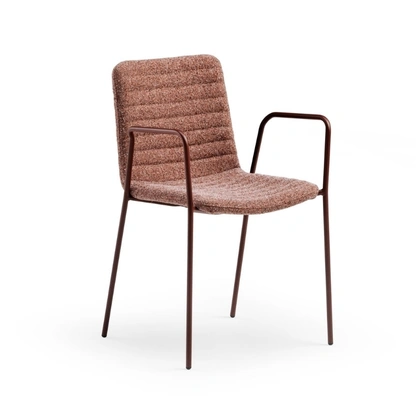
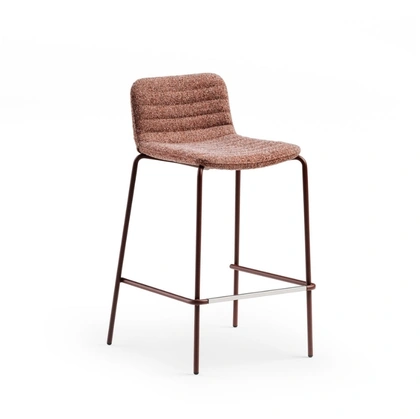
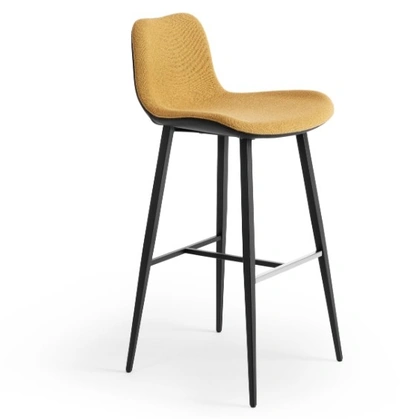
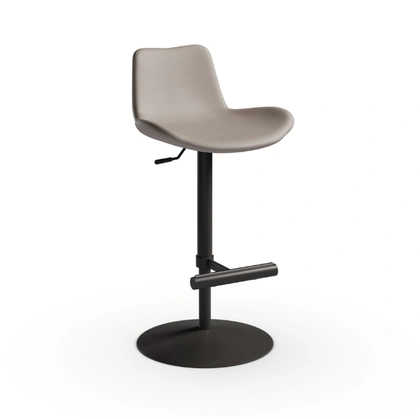
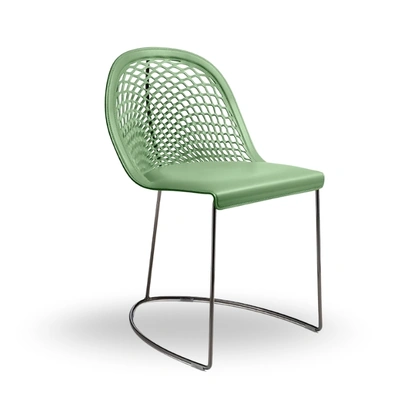
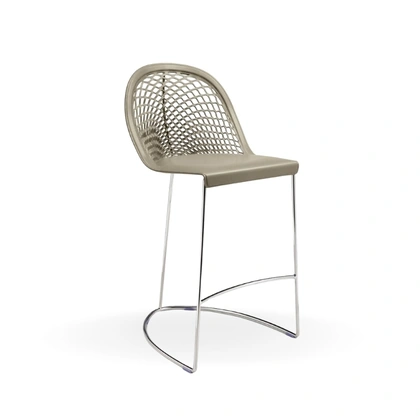
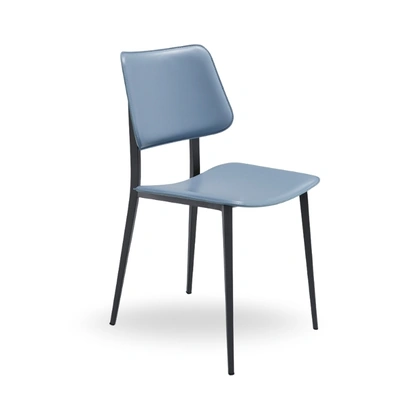
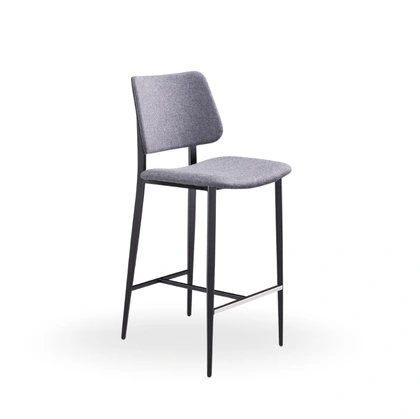
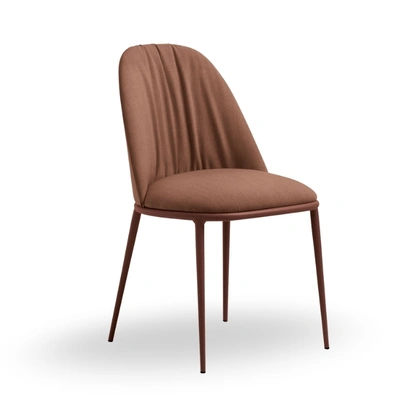
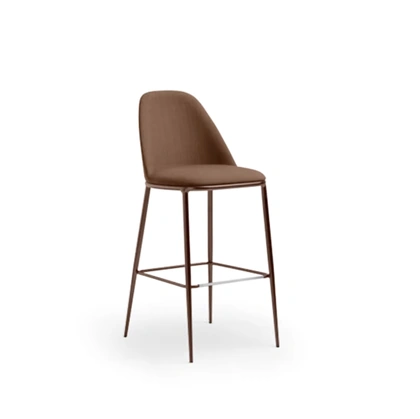
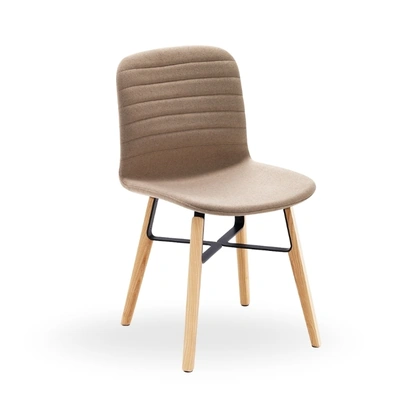
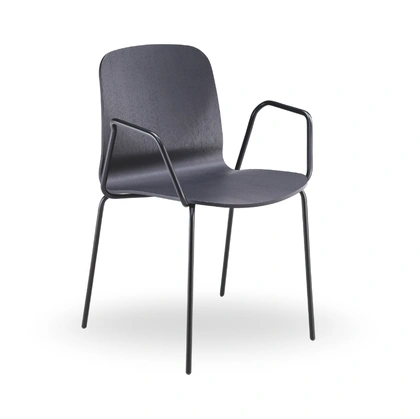
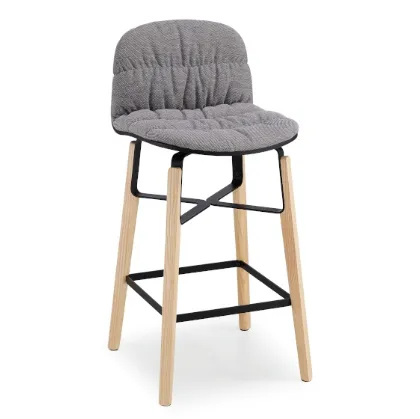
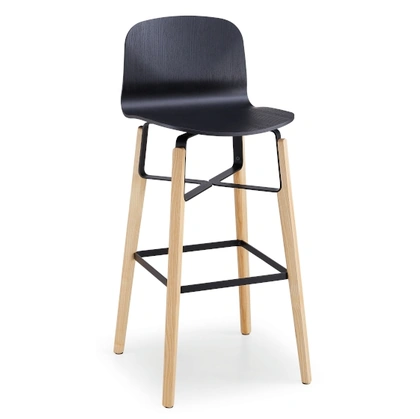
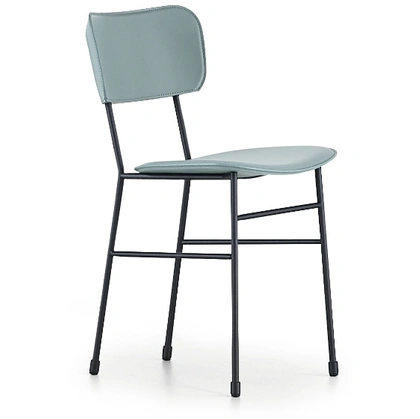
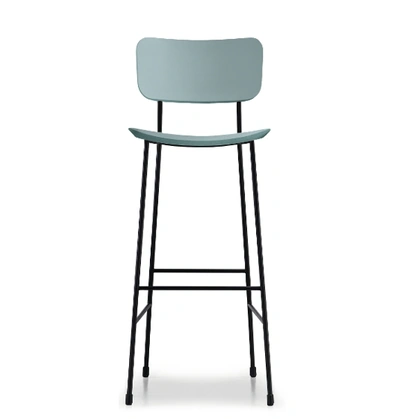
Dove posso acquistare lo Sgabello Pippi di Midj a Cant u?
Puoi trovare lo Sgabello Pippi di Midj presso F.lli Ronchetti Snc in Via Mazzini, 59 a Cant u. Il nostro team
H. P. I. T. S. E. L. F. D. O. C. U. M. E. N. T. S. , which would be required for performing its regular internal operations. The second problem is to find a set of documents that, when combined with the internal operations documents, will satisfy as many user requests as possible while minimizing the cost of storing the additional documents. We develop a solution for the second problem based on integer linear programming and also consider a greedy approach. Finally, we discuss how the two problems can be combined into a single one. This work can be used as a basis to develop an information system that would support the operation of a company's internal knowledge base. The proposed approach can also be generalized to other information systems that handle collections of documents. For example, it can be used to select a subset of documents that would be stored on a local computer or a mobile device while minimizing the storage space. In addition, it can be used to select a subset of web pages to be cached by a web proxy. (C) 2012 Elsevier B.V. All rights reserved. 1. Introduction Information systems are designed to support the operations of organizations. Many organizations collect large amounts of documents in order to support their internal operations and to respond to user requests. For example, a company may collect documents related to product specifications, marketing materials, customer support, etc. These documents are usually stored in a central repository, such as a document management system. However, in some situations, it may be necessary to store a subset of documents on a local computer or a mobile device. For example, a salesperson may need to access product specifications while visiting a customer. In such cases, the storage space is limited, and it is important to select a subset of documents that will satisfy as many user requests as possible while minimizing the storage space. Similarly, a web proxy may need to cache a subset of web pages in order to improve the response time. In such cases, the cache size is limited, and it is important to select a subset of web pages that will satisfy as many user requests as possible while minimizing the cache size. In this paper, we consider a problem that arises in the context of a company's internal knowledge base. A company's internal knowledge base typically contains a large number of documents that are used to support the company's internal operations and to respond to user requests. For example, a company may have documents related to its products, services, customers, employees, etc. These documents are usually stored in a central repository, such as a document management system. However, in some situations, it may be necessary to store a subset of documents on a local computer or a mobile device. For example, a salesperson may need to access product specifications while visiting a customer. In such cases, the storage space is limited, and it is important to select a subset of documents that will satisfy as many user requests as possible while minimizing the storage space. Similarly, a web proxy may need to cache a subset of web pages in order to improve the response time. In such cases, the cache size is limited, and it is important to select a subset of web pages that will satisfy as many user requests as possible while minimizing the cache size. In this paper, we consider a problem that arises in the context of a company's internal knowledge base. We assume that the company has a set of documents that are required for performing its regular internal operations. These documents are referred to as internal operations documents. In addition, the company has a set of user requests, each of which is associated with a set of documents. The goal is to select a subset of documents that, when combined with the internal operations documents, will satisfy as many user requests as possible while minimizing the cost of storing the additional documents. This problem can be modeled as a variant of the knapsack problem. The knapsack problem is a well-known optimization problem in which a set of items, each with a weight and a value, are to be selected to maximize the total value while not exceeding a given weight capacity. In our problem, the documents are the items, their storage cost is their weight, and the number of user requests satisfied is their value. However, there are some important differences. First, some documents (internal operations documents) must be selected regardless of their cost or value. Second, the value of a document depends on how many user requests it satisfies, and a user request may be satisfied by multiple documents. Third, the value of a document is not simply its individual contribution to satisfying user requests, but rather its contribution to satisfying user requests that are not already satisfied by other selected documents. This makes the problem more complex than a standard knapsack problem. The rest of the paper is organized as follows. Section 2 describes the problem formulation. Section 3 presents a solution based on integer linear programming. Section 4 discusses a greedy approach. Section 5 discusses how the two problems can be combined into a single one. Section 6 concludes the paper. 2. Problem Formulation We are given a set of documents D = {d1, d2, . . . , dn}. Each document di has a storage cost ci > 0. We are also given a set of internal operations documents DI O ? D that must be selected. These documents are required for performing the regular internal operations of the company. We are also given a set of user requests R = {r1, r2, . . . , rm}. Each user request rj is associated with a set of documents Dj ? D that can satisfy it. The goal is to select a subset of documents S ? D such that DI O ? S, and the number of satisfied user requests is maximized while minimizing the total storage cost of the additional documents (i.e., documents in S